FIRE SAFETY, WOVEN INTO YOUR BUSINESS
Fire risk assessment Nottingham
Know the risks. Understand your responsibilities.
Give your people a safer way forward.
For businesses, commercial landlords and facilities teams.
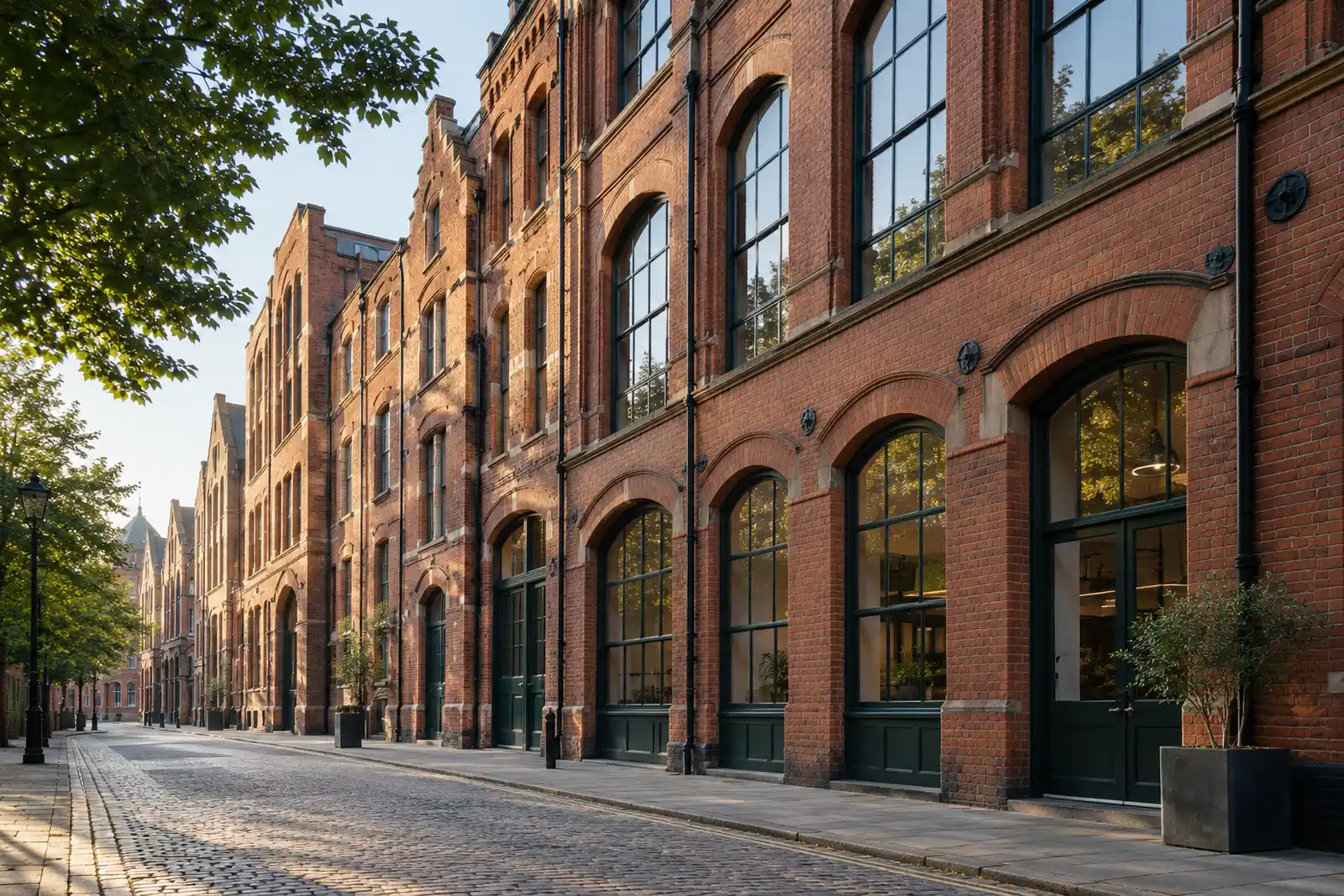
A CLEARER VIEW OF FIRE SAFETY
Understand Your Building.
Act On What Matters.
Fire Risk Assessment Nottingham helps business buyers understand the fire risks in their premises and the actions needed to protect people. We assess how the building is used, how a fire might develop and whether people can get to safety. The result should be a useful record of findings, responsibilities and priorities.
Whether you manage a converted workspace, a busy warehouse, a school or a multi-occupied commercial property, the assessment needs to reflect the conditions on site. A report copied from a different building will not explain your escape routes, your working practices or the people who may need help.
Start with the premises postcode, building use and approximate size. We use those details to discuss an appropriate scope, including access, shared responsibilities and any specialist investigation that may be needed. Our enquiry form gives you a straightforward place to begin.
OUR EXPERTISE
The Right Detail For Your Premises.
Assessments and supporting inspections for the way your business uses its building.
 01
Commercial Premises
Understand the fire risks in your business premises, the people affected and the actions that need attention.
Explore The Service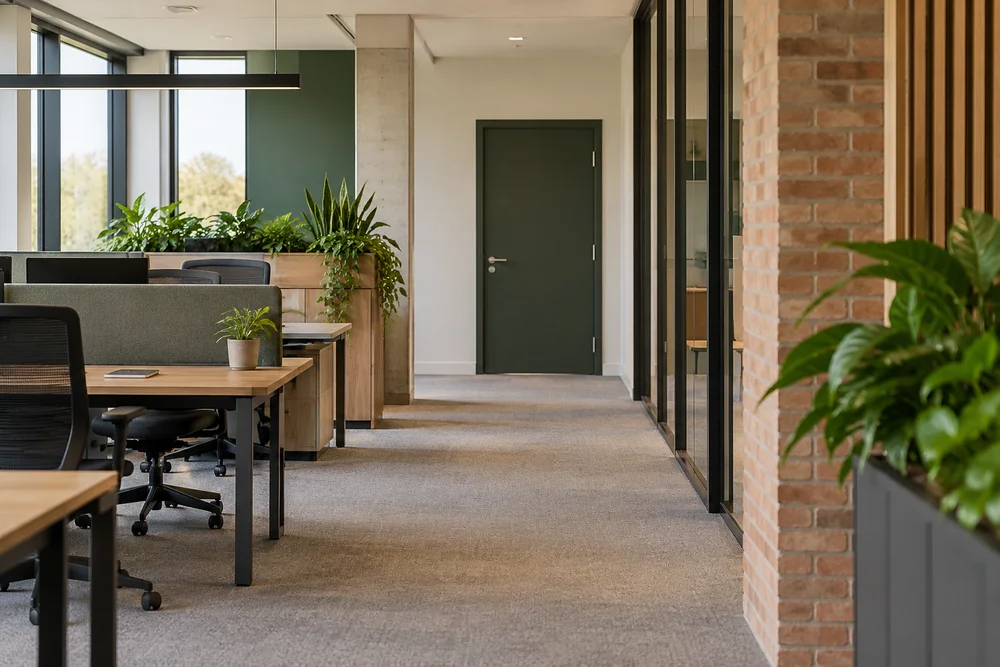 02
Offices & Workspaces
Fire-safety assessments for occupied offices, shared workspaces and converted commercial buildings.
Explore The Service 03
Warehouses & Industrial
Assess storage, movement and escape together, from goods-in areas to mezzanines and loading bays.
Explore The Service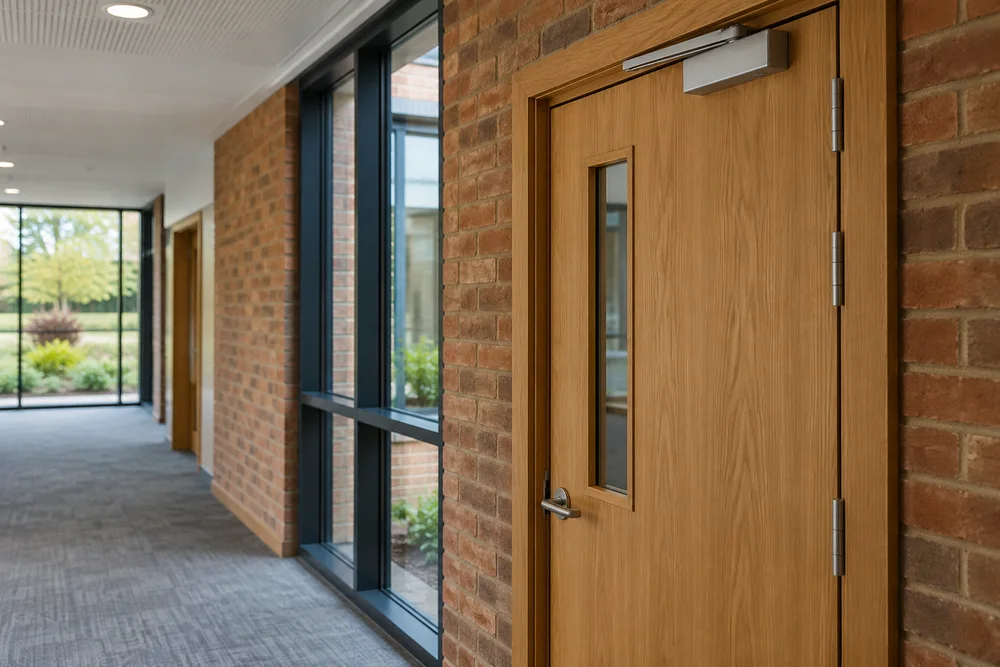 04
Fire Door Inspections
A closer look at the doors that protect escape routes, with a traceable record of condition and defects.
Explore The Service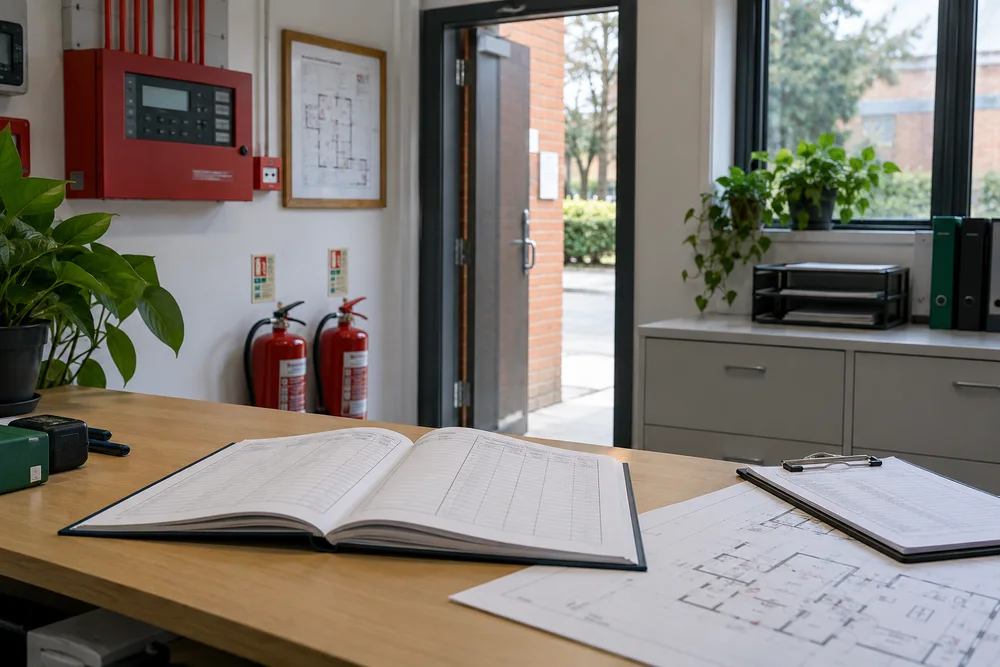 05
Fire Safety Audits
Check how your fire-safety records, responsibilities and daily arrangements work together.
Explore The Service 06
Assessment Reviews
Revisit an existing assessment when the building, its use or the evidence behind it has changed.
Explore The ServicePeople first.
Evidence that helps.
Actions that follow.
Who Legally Needs A Fire Risk Assessment?
In Nottingham, the main legislation for workplace fire safety is the Regulatory Reform (Fire Safety) Order 2005. It applies to commercial premises including offices, shops, factories and warehouses, with duties also relevant to schools and other workplaces. The nature of your responsibility depends on your control of the premises.
The employer is normally the responsible person in a workplace under its control. Owners, landlords, managing agents and others may also hold duties for areas or arrangements they control. In shared premises, those duties need to connect so that escape routes and protection systems work across the whole building.
England is the relevant jurisdiction for Nottingham. Scotland has a different fire-safety framework, so guidance written for Scottish premises should not simply be substituted for the rules applying here. This service focuses on business premises in Nottingham and the surrounding area.
Keep A Full Written Record
Responsible persons must record their fire risk assessment in full, together with fire-safety arrangements. The old assumption that a written record is only needed when an organisation employs a certain number of people is outdated. The government explains the changed recording duties in its Section 156 guidance.
The assessment is one part of continuing fire-safety management. You need to act on the findings, maintain relevant precautions and give people appropriate information and instruction. Appointing an assessor does not transfer all of those duties away from the person responsible for the premises.
Think Beyond A Single Tenancy
For a tenant, the assessment boundary might stop at the suite entrance while the escape route continues through shared stairs. Obtain relevant information from the landlord or managing agent and exchange findings that affect other occupiers. Ask who controls alarm maintenance, shared doors and final exits rather than leaving these issues between separate reports.
A commercial premises assessment can help define those interfaces. Where the documentation is fragmented, a fire safety audit can examine the management arrangements and missing evidence.
FROM ENQUIRY TO ACTION
A Method You Can Follow.
The visit is a starting point for informed decisions, backed by a written record.
Define The Scope
Tell us the use, size and location of the premises. We clarify boundaries, access, available records and the work needed before the visit is arranged.
Inspect The Premises
Accessible areas are examined alongside the way the business operates. We consider hazards, people at risk, escape arrangements and existing fire precautions.
Record The Findings
The assessment records the judgement made, recommended actions and any limits to inspection. Matters needing further specialist investigation should be identified clearly.
Manage The Actions
Use the priorities to allocate work, retain completion evidence and review progress. Keep the assessment current when the building or its use changes.
WHAT THE WORK INVOLVES
More Than A Walk Around The Building.
The Details That Change The Risk
The inspection considers sources of ignition, combustible materials and people who could be exposed if a fire occurs. It follows the routes people would use to leave and asks whether the warning, lighting, doors and management arrangements support that escape. Conditions in stores, plant rooms and rarely used spaces can matter as much as the main occupied areas.
An assessor needs to understand the business, including shift work, lone working, visitors and contractors. Noise, unfamiliar layouts and locked doors can all influence how an evacuation works in practice. Arrangements for people who may need assistance should be discussed specifically rather than assumed to be covered by a general instruction to leave.
Records Put The Visit In Context
Useful documents include the previous assessment, floor plans, the emergency plan and records for alarm, emergency lighting and other relevant precautions. Evidence of staff instruction and completed actions helps explain the management arrangements. If something is unavailable, tell us rather than creating a record that suggests an event happened when it did not.
A visual assessment has limits. It does not prove concealed compartment construction, test every system or certify electrical safety. Where the available evidence cannot support a reliable conclusion, the report should identify the uncertainty and the further work required.
A Report That Supports Decisions
A useful action plan explains what needs attention and gives management a basis for setting priorities. It should distinguish a practical housekeeping correction from a technical question needing a specialist. You can then assign owners, agree suitable timescales and keep evidence of completion in the fire-safety file.
Do not treat an assessment as a blanket certificate that a building complies in every respect. Its value depends on the agreed scope, the quality of evidence and the action taken after the visit. Our approach to commercial fire safety sets out how we describe these boundaries.
QUOTING FOR THE ACTUAL WORK
What Affects The Cost?
A useful quotation begins with a useful description of the premises.
Discuss Your PremisesSize, Layout And Use
Floor area matters, but so do the number of floors, separate buildings, escape arrangements and activities taking place. An open office can involve different work from a smaller workshop with shared access and stored substances. Multiple tenancies, mezzanines and complex layouts can change the inspection and reporting effort.
Access And Available Evidence
Tell us about restricted rooms, operating hours and areas controlled by another organisation. Missing drawings or uncertain construction can mean more investigation is needed before a conclusion can be reached. A quotation should identify these assumptions and explain whether additional work would be commissioned separately.
Deliverables And Follow-Up
Ask whether the quotation includes a full recorded assessment, an action plan and the report format your management team needs. Fire door surveys, system testing and remedial work should not be assumed to be included. Comparing scopes alongside fees gives procurement teams a better basis for choosing an appropriate service.
NOTTINGHAM, IN CONTEXT
Old Fabric.
New Ways Of Working.
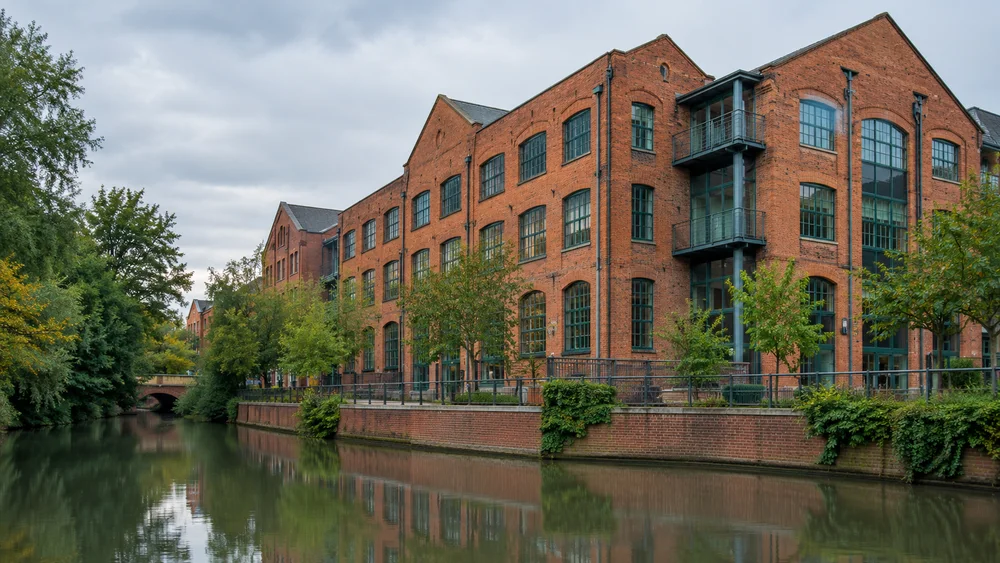
The Lace Market’s lace-making heritage and Hockley’s shops and creative businesses are part of Nottingham’s commercial character. Converted buildings can bring questions about shared stairs, historic layouts and later alterations. The local visitor guide describes these districts and their heritage.
East of the centre, Colwick’s industrial estate and the A612 Colwick Loop Road provide a different setting for storage and trade premises. The relevant assessment needs to reflect the actual activity, whether that means stock movement, charging equipment or the interface between a warehouse and its offices.
We cover Nottingham, Beeston, West Bridgford, Colwick, Arnold, Hucknall, Long Eaton, Stapleford, Ruddington and Eastwood. Tell us the postcode so that the location and access can be confirmed before work is arranged.
Explore The Areas CoveredKEEPING IT CURRENT
What Changes After The Report?
The premises will continue to change after the inspection. A new partition, different storage pattern or revised use of a floor can affect the conclusions recorded in the assessment. Keep a route for staff and contractors to report conditions that could alter fire safety.
Regular review should test whether the assessment still describes the premises and whether earlier actions have been resolved. Do not wait for a calendar date when there is reason to doubt its validity. Our fire risk assessment review service explains the evidence that helps with this work.
If a fire door is damaged or no longer closes, arrange attention rather than saving the issue for a routine review. The wider assessment and the maintenance of individual precautions serve related purposes. Both need management ownership and records that reflect the current condition.
BEFORE YOU BOOK
Your Questions,
Answered.
Practical answers for the person responsible for the premises.
More Fire-Safety Questions →Who Needs A Fire Risk Assessment In Nottingham?
A fire risk assessment in Nottingham is needed for premises covered by the Fire Safety Order, including workplaces and many other commercial buildings. The responsible person must arrange an assessment suited to the risks. Employers, owners, landlords and others with control may have duties, so agree responsibilities where premises are shared.
How Much Does A Fire Risk Assessment Cost?
Fire risk assessment cost depends on the size, layout, use and complexity of the premises, together with access and reporting needs. Several small units can require different work from one open warehouse. Send a postcode, floor area, floor count and description of the business activity so the quotation can define the inspection scope.
How Often Should An Assessment Be Reviewed?
A fire risk assessment should be reviewed regularly and when there is reason to suspect it is no longer valid or significant changes occur. There is no single statutory annual renewal interval for all commercial premises. An agreed review programme should reflect risk, with earlier action after changes to layout, occupancy or precautions.
What Should We Have Ready For The Visit?
A fire risk assessment visit benefits from the previous report, floor plans, the emergency plan and available maintenance records. Arrange access to relevant rooms and shared areas, and have someone present who understands the business. Tell us about missing documents or access restrictions in advance so they can be considered in the scope.
Will The Assessment Include Alarm Testing?
A fire risk assessment considers detection and warning arrangements and available maintenance evidence, but it is not an alarm service or a performance test. Testing and servicing require their own competent specialist and agreed scope. Where the assessment finds uncertainty or an unresolved defect, it should identify the further work needed.
Can The Business Stay Open During The Assessment?
A fire risk assessment can often take place while a business is operating, subject to safe access and the activities on site. Normal occupation helps show how routes and procedures work in practice. Discuss restricted areas, shift patterns and any activities that could prevent inspection before confirming how the visit will be carried out.
Does The Report Prove That We Comply?
A fire risk assessment report records a judgement about risk, findings and recommended actions within an agreed scope. It is not a blanket certificate of compliance or a guarantee against fire. The responsible person must consider the findings, arrange action and keep the assessment and fire-safety arrangements up to date.
LET’S START WITH YOUR PREMISES
Make Your Next Step An Informed One.
Tell us what you manage and what prompted the enquiry. Include the postcode and a little about the building so we can discuss the right assessment scope.
No obligation to book. Your agreement is requested before details are passed to a suitable local firm.